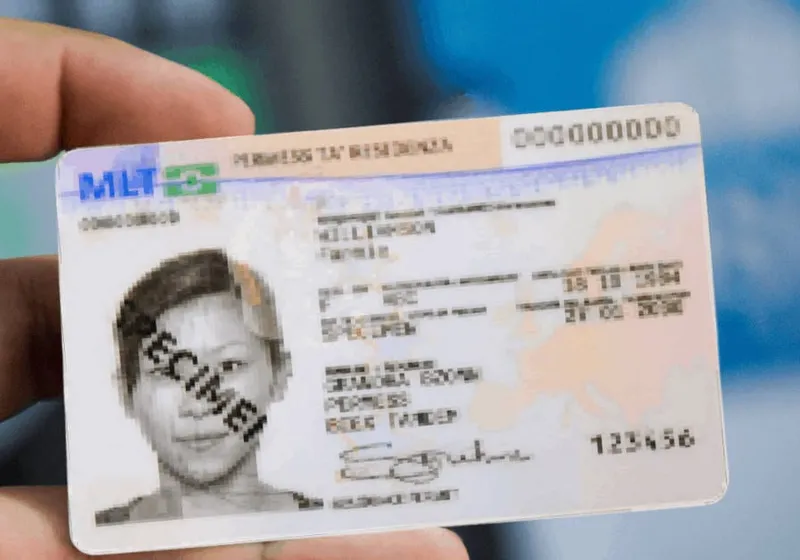
This article provides a comprehensive overview of how income tax works in Malta. It is worth noting that relocating your residence to Malta can offer significant advantages for entrepreneurs looking to optimise their business structure.
Malta boasts excellent career prospects for skilled professionals, particularly in the Finance, iGaming, Game Development, and IT sectors. The growing market has created high demand for qualified staff, with plenty of vacancies available. If you are an EU national, you can exercise your right to free movement and settle in Malta without requiring a visa or residence permit beforehand.
Overview of Income Tax Rates in Malta
If you live and work in Malta, you are subject to income tax on your earnings. The table below outlines the applicable income tax bands.
Current Tax Rates
Single RatesMarried RatesParent RatesTax Rate
€0 – €9,100
€0 – €12,700
€0 – €10,500
0%
€9,101 – €14,500
€12,701 – €21,200
€10,501 – €15,800
15%
€14,501 – €60,000
€21,201 – €60,000
€15,801 – €60,000
25%
€60,001 +
€60,001 +
€60,001 +
35%
National Insurance (Social Security)
National Insurance in Malta acts as a combined contribution towards health insurance and the state pension. If you are employed, contributions are split evenly between you and your employer (10% each). The exact amount depends on your income level, but contributions are generally capped at approximately €48.57 per week for employees (matched by the employer). For the self-employed, rates vary but typically hover around €30 per week depending on the specific category.
National Insurance and income tax are generally the only deductions taken from your salary. While the public system is robust, many residents choose to take out private health insurance to ensure faster access to medical care and preferred treatment.
The public healthcare system in Malta is structured similarly to the NHS in the UK. Generally, treatments and emergency care are free of charge at the point of use. However, waiting lists for specific non-urgent treatments can be long, which is where private cover becomes useful.
Income tax and social security deductions in Malta are relatively low compared to many other EU countries. However, when considering a move, it is important to look at the full picture, including the cost of living. We recommend comparing your projected net income against local living costs to ensure the move makes financial sense for you.
If you are interested in relocating to Malta, please contact Dr. Werner & Partners for details on our comprehensive relocation support. You can also find more insights about living in Malta on our blog.