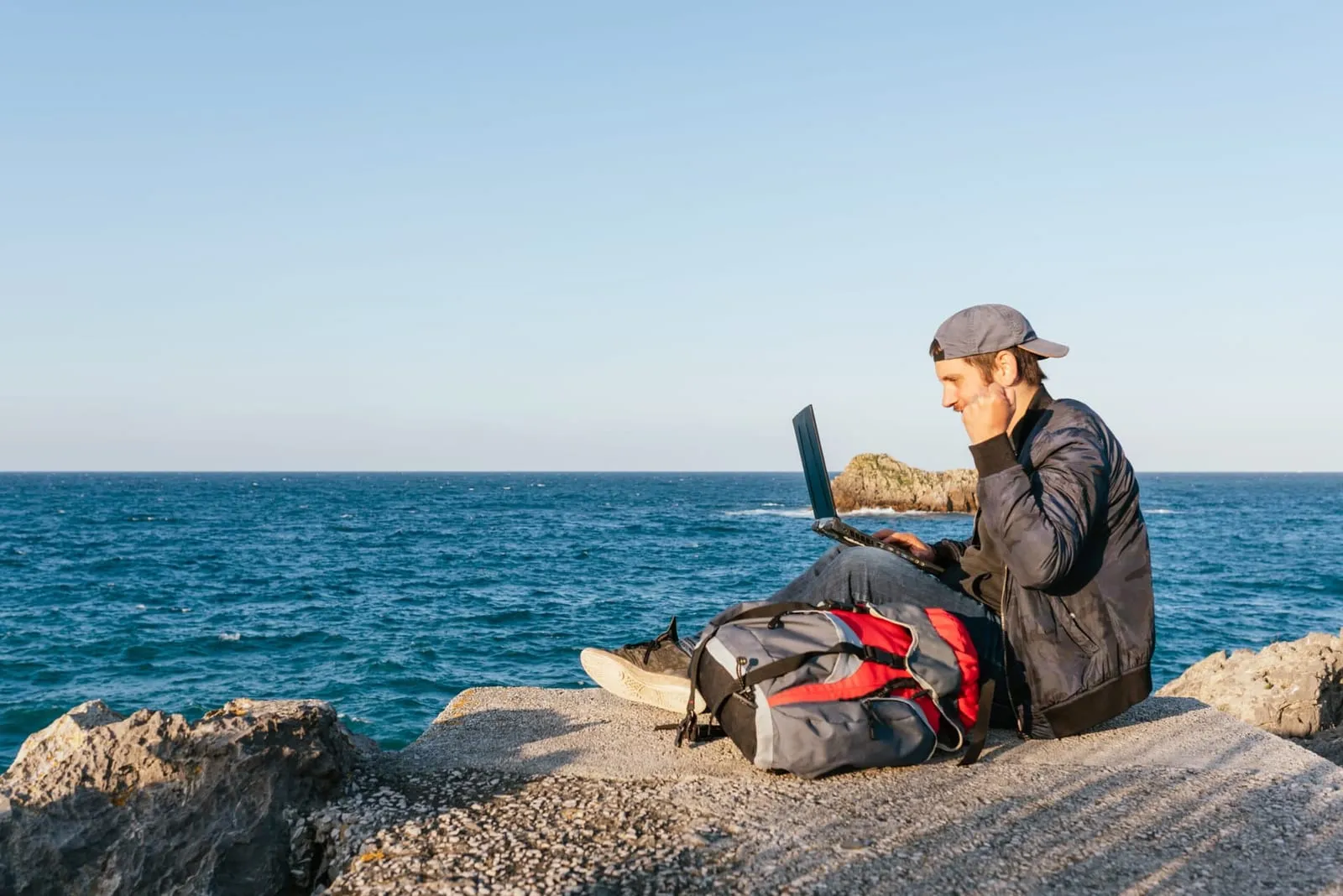
An increasing number of people are choosing to shift their work style and become digital nomads. Digital nomads are individuals who work remotely and have the flexibility to travel while earning a living. The beautiful Mediterranean island has recognized that digital nomads can be an asset to the economy, as well as to the country’s cultural diversity.
Malta offers the Nomad Residence Permit, often called a digital nomad visa. It allows qualifying third-country nationals to live on the island and continue their foreign work without needing a job offer from a Maltese employer. In this article, we will take a closer look at the application process and benefits.
Application procedure for the Nomad Residence Permit
How do you apply for the Nomad Residence Permit? The online process connects your plans for life on the island with evidence of work, income and accommodation. Preparing the documents helps you align each stage with your relocation.
- Eligibility: Applicants must be at least 18 and third-country nationals. EU, EEA and Swiss nationals use other residence routes. UK nationals can participate under the general eligibility rules; the agency’s list identifies excluded nationalities. Remote work must fit an eligible foreign relationship: employment with a foreign employer, work for an overseas company you own, or freelance services to foreign clients. Providing services directly or indirectly to Maltese businesses or people does not qualify under this arrangement.
- Income: New applications from 1 April 2024 require at least €42,000 in gross annual income. The older €32,400 threshold applies to the specified earlier applications. Contracts, salary slips and supporting records must explain the work-based income.
- Documents: These include a valid travel document, the required work and income evidence, health insurance and suitable accommodation evidence. A background check is also required. Approval in principle and the later card have different documentary stages; the card needs an appropriate longer-term housing arrangement.
- Family members: A spouse and children can be included subject to the programme’s conditions, with the required forms and evidence for each person.
- Fees and timing: Each applicant pays a €300 application fee and a €100 card fee and possible additional visa fees. Coordinate document checks, entry and card issuance as separate stages in your relocation plans.
The initial card is valid for one year. With continued eligibility and the agency’s approval, three renewals are possible, for a maximum total of four years. Renewal requires, among other conditions, evidence of a cumulative five months in Malta during the preceding twelve months. If another permission to stay will expire during the application process, arrange lawful stay for that period in advance.
You can apply through the official online system. Residency Malta’s current FAQs explain the documents, fees and renewals.
Tax benefits: the specific rules
For eligible main applicants, the programme combines remote work with a particular tax treatment. A 10% rate applies to qualifying authorised work: the permitted foreign working relationships under the legal conditions, including the absence of a Maltese fixed place of business for the employer or client. This gives the tax planning of your foreign work a clear starting point.
That work is generally excepted from Maltese income tax during the first twelve months. The period starts on the later of permit issuance and 1 January 2024. Applicants choosing earlier taxation submit a written declaration of non-casual residence by 31 January of the year following the basis year.
A complete plan brings these Nomad rules together with your other income and foreign taxing rights. Work already taxed abroad has its own evidence and declaration requirements. Tax residence follows your actual circumstances and any applicable treaty; the residence permit alone does not establish it. The MTCA guidelines explain how these questions fit together.
Nomad tax rules: which work, from when?
- First: qualifying authorised workAn eligible main applicant with permitted foreign work; the employer or client has no Maltese fixed place of business.
- When the period startsThe later of the permit issue date and 1 January 2024.
- The first twelve monthsThis work is generally excepted from Maltese income tax. Earlier taxation can be elected.
- After the first twelve monthsThe 10% rate applies to qualifying authorised work.
Family and a reliable working day
Eligible applicants can include a spouse and children under the programme’s conditions. A change in working location can become a shared daily life on the Maltese island.
A reliable connection matters for remote work. Broadband and mobile-service options form part of choosing your home and workspace. Testing the connection during a viewing helps you find the service suited to your video calls and daily tasks.
English, coworking and leisure
Another advantage is that English is an official language: Malta is officially bilingual, with English being the official language alongside Maltese. For digital nomads, this facilitates communication with locals and integration into Maltese society.
One of the best options for digital nomads in Malta is to find a coworking space. At a coworking space, they can be productive and network with other remote workers. You can find workspaces in areas including Sliema, Valletta, Gzira, Mosta and St. Julian’s. Check the provider’s day or monthly passes, facilities and actual connection before choosing one.
In addition to all the professional benefits, Malta also offers a wide range of activities for leisure. The island is rich in historical heritage, beautiful beaches and diverse culture. During their stay in Malta, digital nomads have the opportunity to explore the beauty and diversity of the island.
New adventures in Malta
The Nomad Residence Permit gives eligible digital nomads a route to live in Malta while continuing foreign work. English helps you settle into daily life, coworking provides space for focused work and new contacts, and culture and the sea are there after the working day. Your stay, income records and family plans can be organised around the life you want to lead on the island.
If you are a digital nomad looking for new adventures, the Nomad Residence Permit could be just what you need. Would you like to put your plans for working and living in Malta into perspective? Book a free initial meeting. We will discuss your starting position and the appropriate next step for your plans in Malta.
This article does not replace individual tax advice.